How do we help NYC Landlords Stay Compliant?
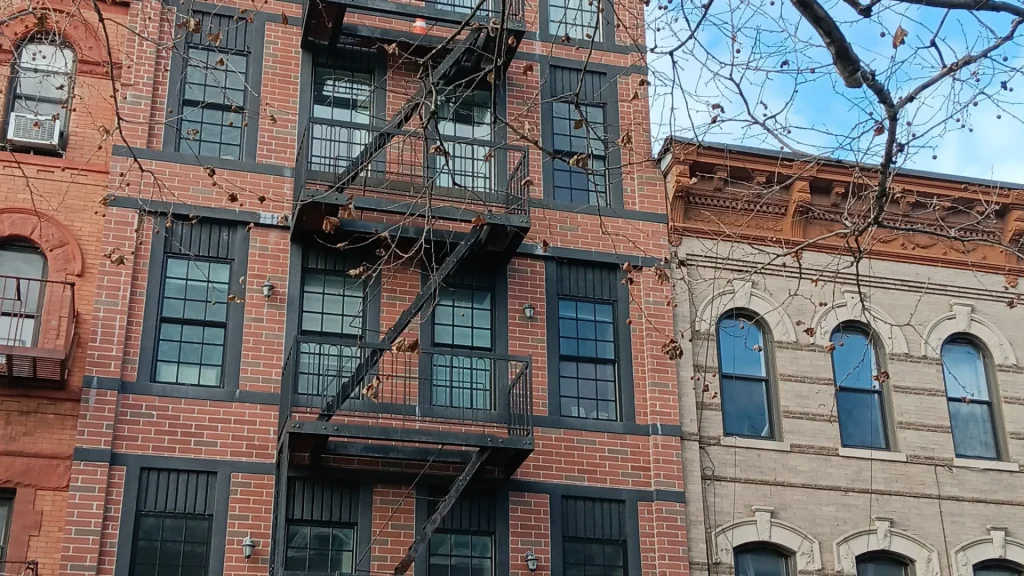
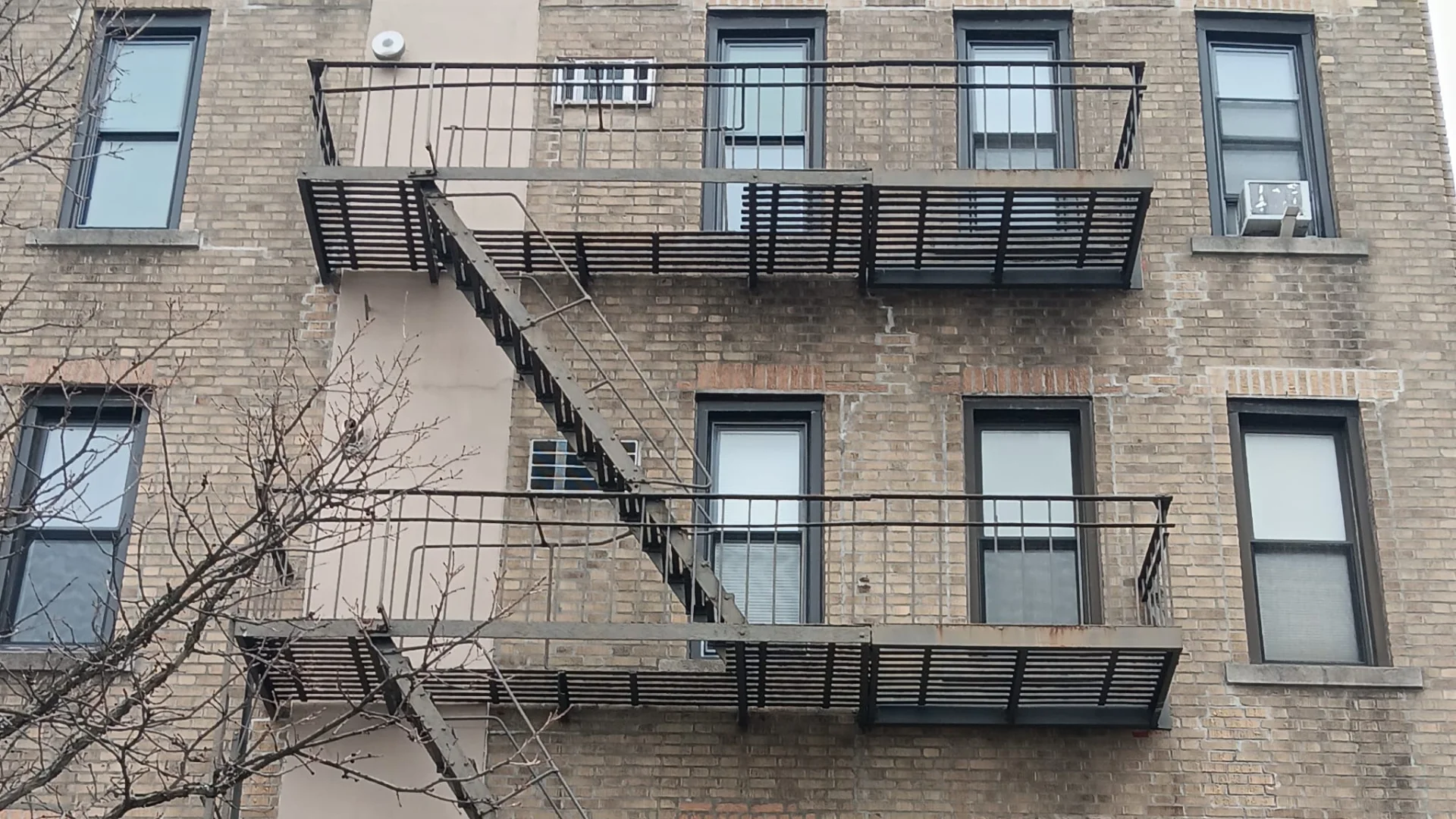
Exterior emergency exit structures play a crucial role in building safety, especially in dense urban environments like New York City. Because these metal systems remain exposed to rain, humidity, snow, and temperature changes throughout the year, their protective coatings gradually wear down. Over time, this deterioration can expose the metal underneath to corrosion and structural damage.
For property owners, knowing when it is time to repaint your fire escape is essential for maintaining safety, extending structural lifespan, and staying compliant with regulations enforced by the New York City Fire Department and the New York City Department of Buildings.
Understanding the warning signs early helps prevent costly repairs and reduces the risk of violations.
Protective coatings are not just cosmetic. They serve as a barrier that protects metal components from moisture and oxidation.
When these coatings deteriorate, steel and iron components can begin to rust. Rust weakens metal surfaces and may compromise stairs, platforms, railings, and support brackets. If corrosion spreads too far, it may require structural repair rather than simple maintenance.
Regular repainting helps:
In many cases, repainting is part of routine preventive maintenance that protects both the building and its occupants.
Identifying deterioration early allows property owners to take action before structural damage occurs. Several visible indicators suggest that repainting is necessary.
One of the most common signs is paint that begins to peel, crack, or flake away from the metal surface.
When the protective layer separates from the structure, it exposes the underlying metal to moisture and environmental pollutants. Once this happens, rust can begin forming quickly.
If peeling paint appears in multiple areas, it is usually a strong indication that the entire structure needs a fresh coating.
Rust is the clearest warning sign that protective coatings are failing.
Small rust spots may appear on stair treads, railings, or support brackets. If these spots are ignored, corrosion can spread and begin weakening the metal.
Early repainting helps stop rust before it develops into more serious structural damage.
Coatings on exterior metal structures can fade due to constant exposure to sunlight and weather. While fading may appear to be only cosmetic, it often signals that the protective layer has begun breaking down.
When paint loses its protective properties, the metal underneath becomes more vulnerable to corrosion.
In cities like New York City, heavy rainfall and winter snow create constant moisture exposure for outdoor steel structures.
Water accumulation on platforms or joints can accelerate corrosion if protective coatings have deteriorated. If water stains or rust streaks appear, repainting may be necessary to restore protection.
Whenever repairs are performed on an exterior emergency exit system, repainting is often the final step. After rust removal, welding, or replacement of damaged components, protective coatings must be applied to seal and protect the repaired areas.
This ensures that newly repaired sections remain resistant to future corrosion.
The frequency of repainting depends on environmental conditions, structural age, and the quality of the previous coating.
In general, many building maintenance professionals recommend repainting every 5 to 10 years. However, buildings located in harsher environments or areas with high humidity may require maintenance sooner.
Regular inspections can help determine the ideal schedule for repainting and ensure that deterioration is addressed before it becomes severe.
Repainting an exterior emergency exit system involves several steps to ensure long-term protection and durability.
The first step is removing rust, dirt, and old paint from the metal surface. This process may involve wire brushing, grinding, or sandblasting to create a clean surface.
Any corrosion must be treated before new coatings are applied. Specialized primers or rust inhibitors help prevent corrosion from spreading.
After preparation, industrial-grade coatings designed for outdoor metal structures are applied. These coatings create a durable barrier that protects the structure from moisture and environmental damage.
Once the coating has dried, the entire structure is inspected to ensure that coverage is complete and protective layers are properly applied.
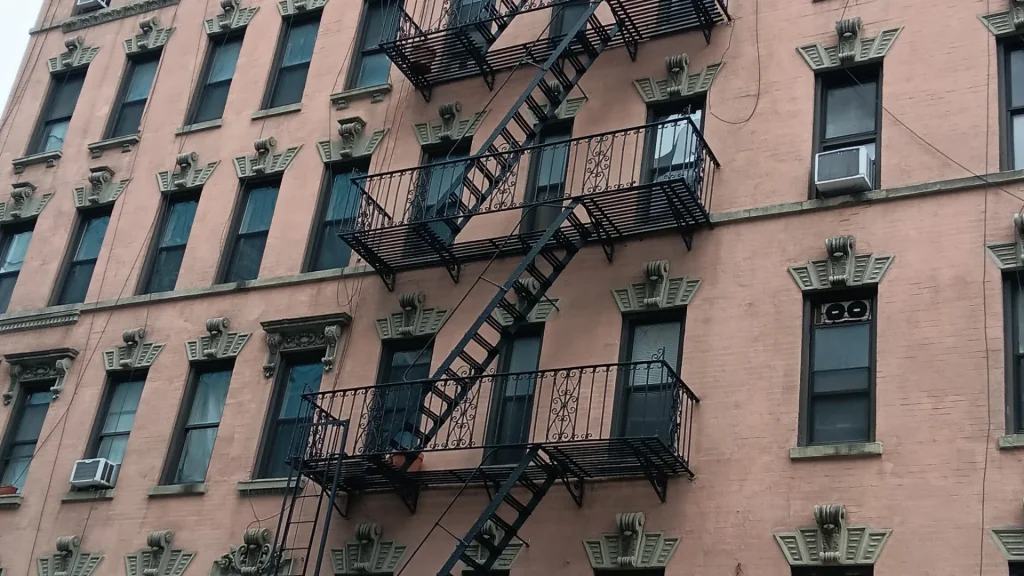
Maintenance of exterior emergency exit systems is closely tied to building safety compliance in New York City.
Inspectors from agencies such as the New York City Fire Department may issue violations if structures show signs of severe rust, deterioration, or unsafe conditions.
Repainting helps property owners maintain these structures in good condition and reduce the likelihood of enforcement actions. When performed regularly, it demonstrates proactive maintenance and commitment to building safety.
To keep exterior emergency exit systems in good condition, building owners should adopt a proactive maintenance strategy.
Helpful practices include:
These steps help prevent small issues from becoming major structural problems.
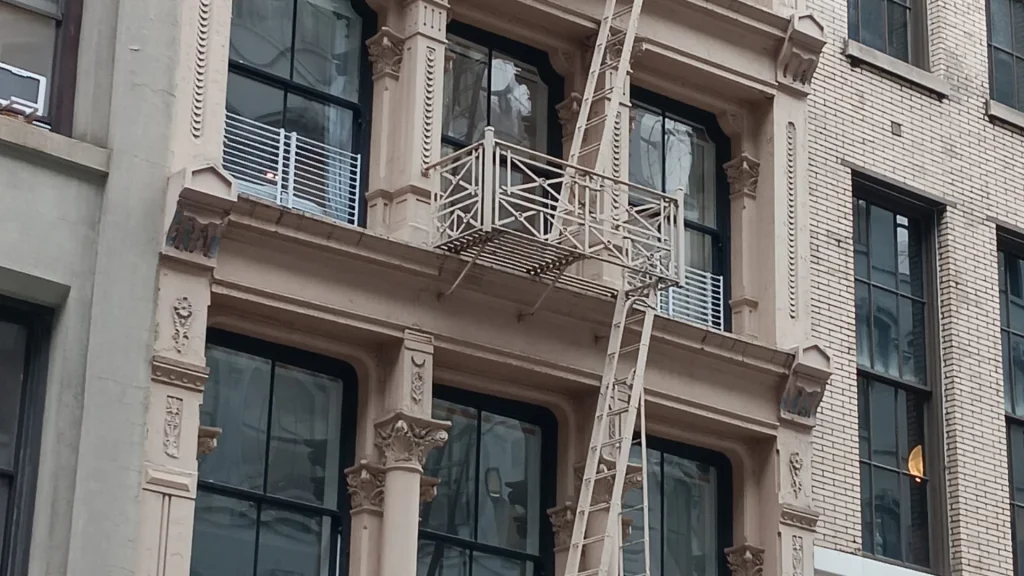
Knowing when it is time to repaint your fire escape is an important part of responsible building management. Peeling coatings, visible rust, fading paint, and moisture damage are all signals that maintenance is needed.
Addressing these signs early protects the structure, ensures compliance with safety regulations, and helps maintain reliable emergency exits for building occupants.
In cities like New York City, where building safety regulations are strict, proactive maintenance is the best way to avoid costly repairs and potential violations while keeping residents safe.
Most exterior metal structures should be repainted every 5–10 years, depending on environmental conditions. Buildings exposed to heavy moisture or severe weather in New York City may require more frequent maintenance.
Common signs include peeling paint, rust spots, fading coatings, and corrosion on metal surfaces. These indicators suggest that the protective layer is failing and maintenance is needed.
Yes. Deteriorating coatings can expose metal to rust and structural damage. If inspectors determine that deterioration affects safety, violations may be issued by authorities such as the New York City Fire Department.
Yes. Protective coatings create a barrier that prevents moisture from reaching the metal surface. Proper repainting helps reduce corrosion and extend the lifespan of the structure.
Yes. Proper surface preparation is essential. Rust removal, cleaning, and priming are necessary before applying new protective coatings to ensure durability and proper adhesion.
How do we help NYC Landlords Stay Compliant? Owning or managing property in New York City comes with significant responsibility....

When Is It Time to Repaint Your Fire Escape? Exterior emergency exit structures play a crucial role in building safety,...
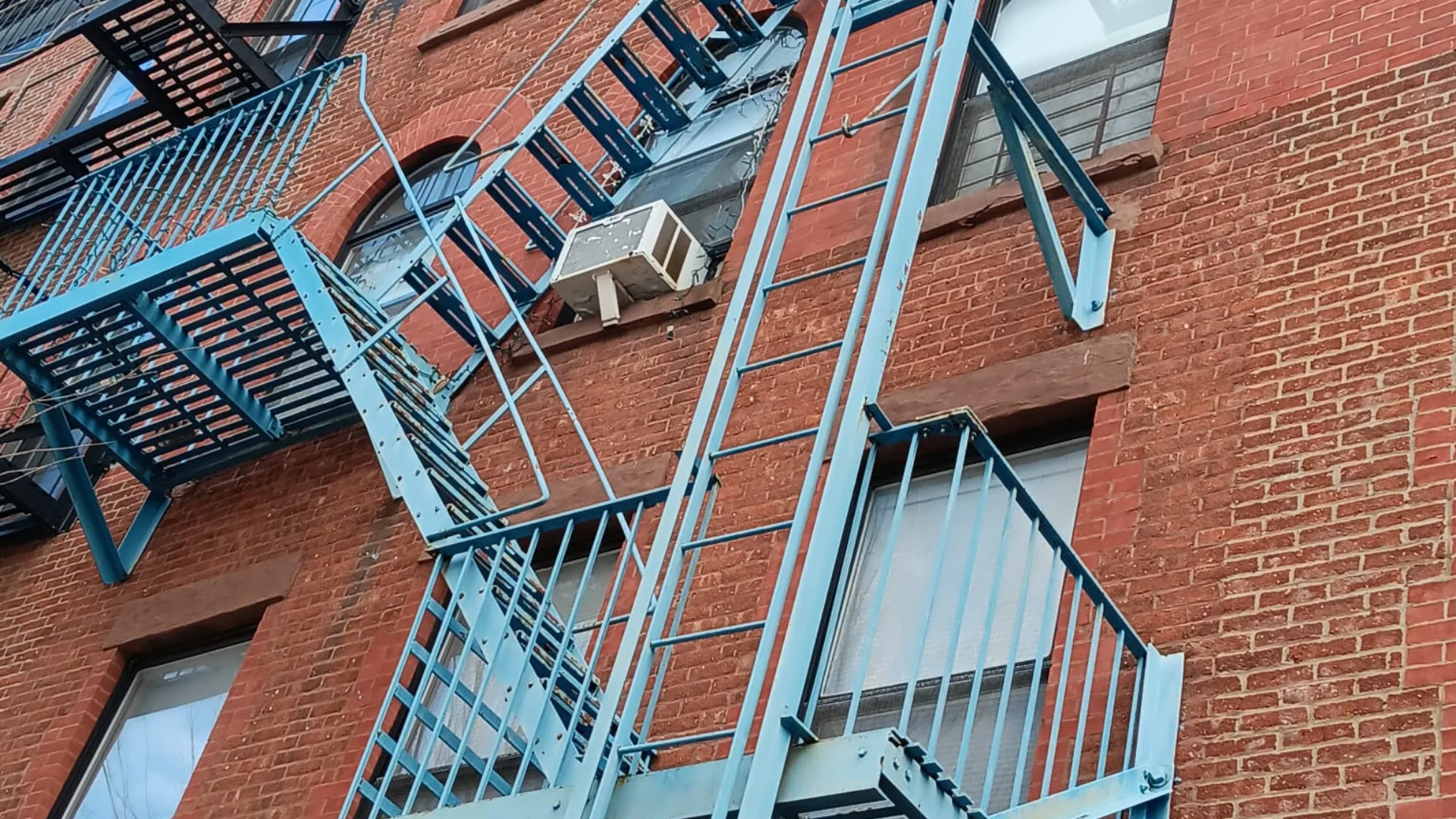
How Fire Escape Inspection Works: NYC Codes & Standards In a city as dense and vertical as New York City,...