How do we help NYC Landlords Stay Compliant?
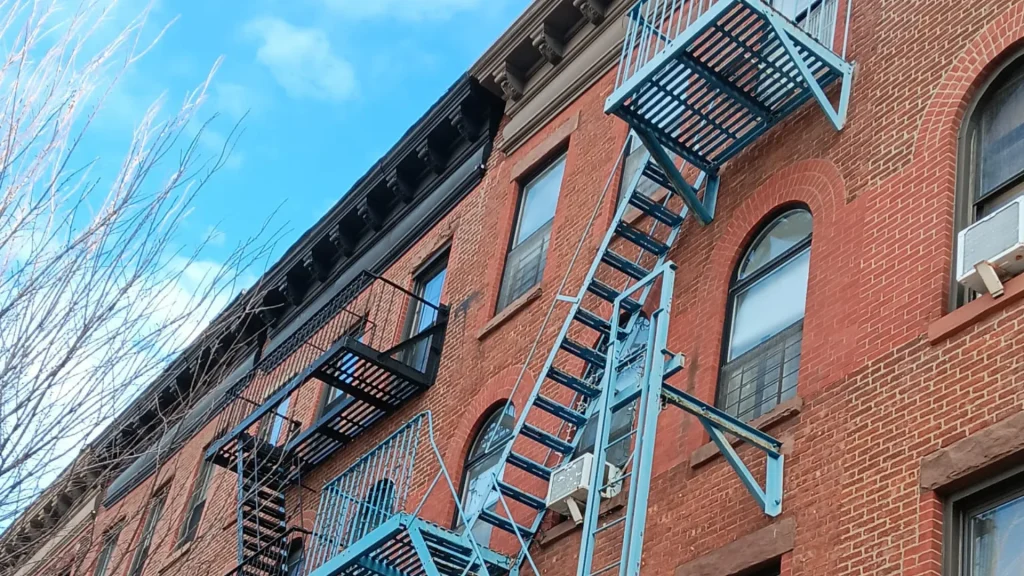
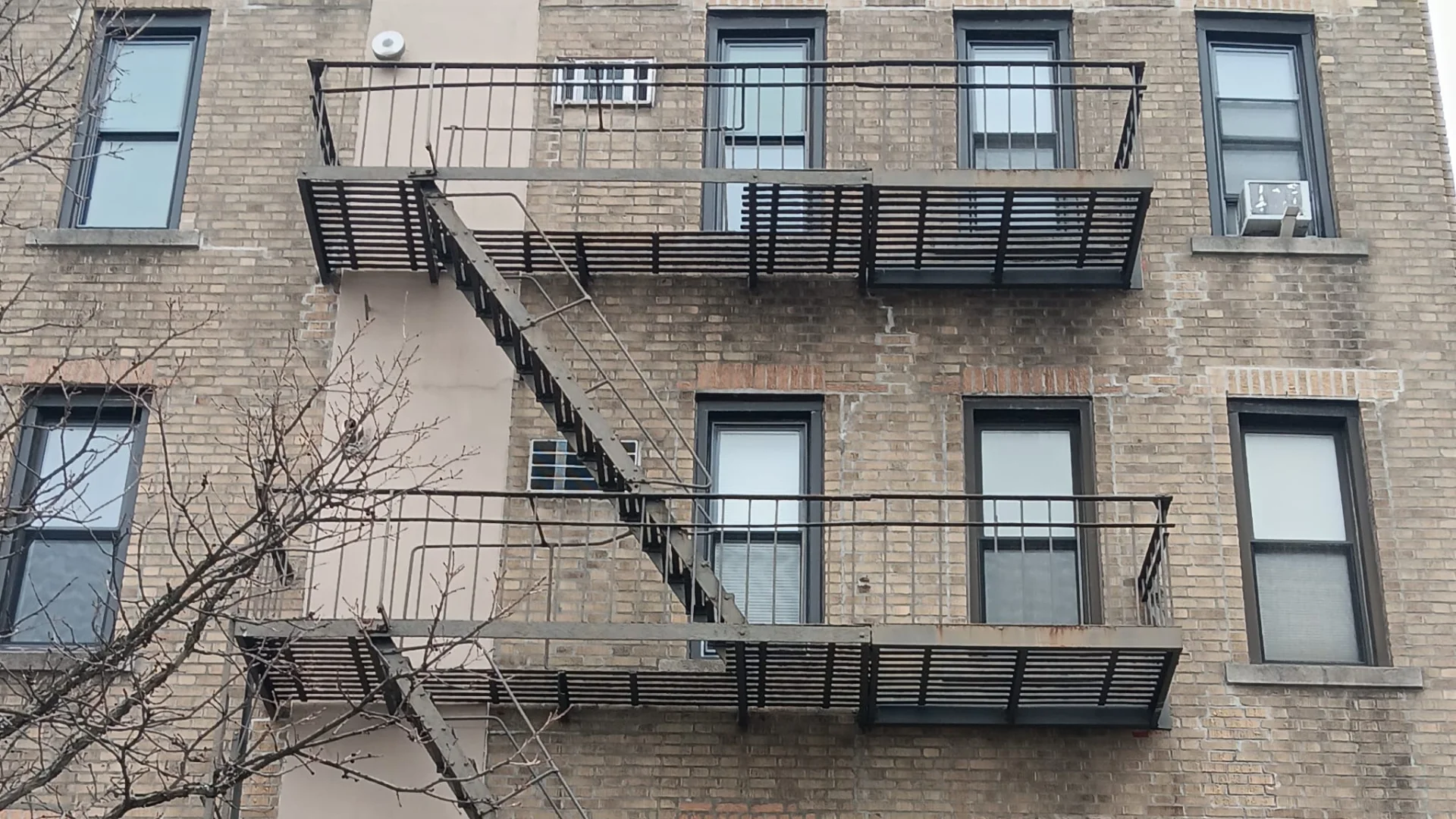
In a city as dense and vertical as New York City, fire escapes are a critical part of building safety. These exterior emergency exit systems provide a safe path for occupants during emergencies such as fires or building evacuations. Because they are exposed to weather and environmental conditions year-round, they require regular inspection and maintenance to ensure they remain safe and functional.
Building owners are legally responsible for maintaining systems according to local regulations enforced by agencies such as the New York City Fire Department and the New York City Department of Buildings. Inspections are designed to identify structural damage, corrosion, and safety hazards before they lead to accidents or code violations.
This guide explains how checks work in NYC, the regulations that apply, what inspectors look for, and how property owners can stay compliant with city codes.
These systems serve as life-saving infrastructure during emergencies. In many older residential buildings, especially pre-war properties, they provide the primary secondary means of egress when interior stairwells become unsafe.
Because these structures are typically made of exposed steel or iron, they are vulnerable to rust, corrosion, and weather damage. Over time, deterioration can weaken stairs, platforms, and railings.
Regular inspections help ensure that:
If inspectors identify hazards, building owners may receive enforcement notices requiring corrective action.
Several local laws and building regulations in New York City govern checks and maintenance.
The NYC Building Code requires exterior emergency exit systems to remain structurally sound and accessible at all times. Property owners must ensure that:
Failure to maintain these systems can lead to enforcement actions.
The New York City Fire Department also plays a role in ensuring systems remain usable during emergencies. If an inspection reveals unsafe conditions, the department may issue a violation notice requiring repairs or corrective maintenance.
These notices typically specify a timeframe within which the building owner must resolve the issue.
Certain local laws require periodic inspections of building exterior elements. These inspections help identify structural hazards early and prevent accidents caused by neglected maintenance.
These notices typically specify a timeframe within which the building owner must resolve the issue.
Qualified building inspectors, licensed contractors, or engineering professionals familiar with NYC building codes typically carry out most inspections.
In many cases, building owners hire specialized contractors to perform inspections and maintenance. These professionals evaluate the structure and provide recommendations for repairs if needed.
Government agencies such as the New York City Department of Buildings or the New York City Fire Department may also conduct inspections during routine safety checks or in response to complaints or violations.
These checks involve a detailed evaluation of the entire structure. Inspectors assess both visible damage and structural stability to ensure the system meets safety standards.
The inspection process usually begins with a comprehensive visual examination of the structure.
Inspectors check:
They look for visible signs of deterioration such as cracks, bending, missing bolts, or loose components.
Because these systems are exposed to the elements, rust is one of the most common issues inspectors identify.
During the inspection, professionals examine:
If rust has significantly compromised the metal, repairs or reinforcement may be required.
Many systems include drop ladders that extend to ground level during emergencies.
Inspectors verify that these ladders:
A ladder that cannot extend properly could prevent safe evacuation during an emergency.
These systems must be capable of supporting the weight of occupants during emergencies.
Inspectors evaluate whether platforms, stairs, and supports can safely bear loads without instability or movement.
If structural weaknesses are identified, reinforcement or replacement may be required.
Emergency exits must remain accessible at all times.
Inspectors confirm that:
Obstructions can lead to violations because they prevent safe evacuation.
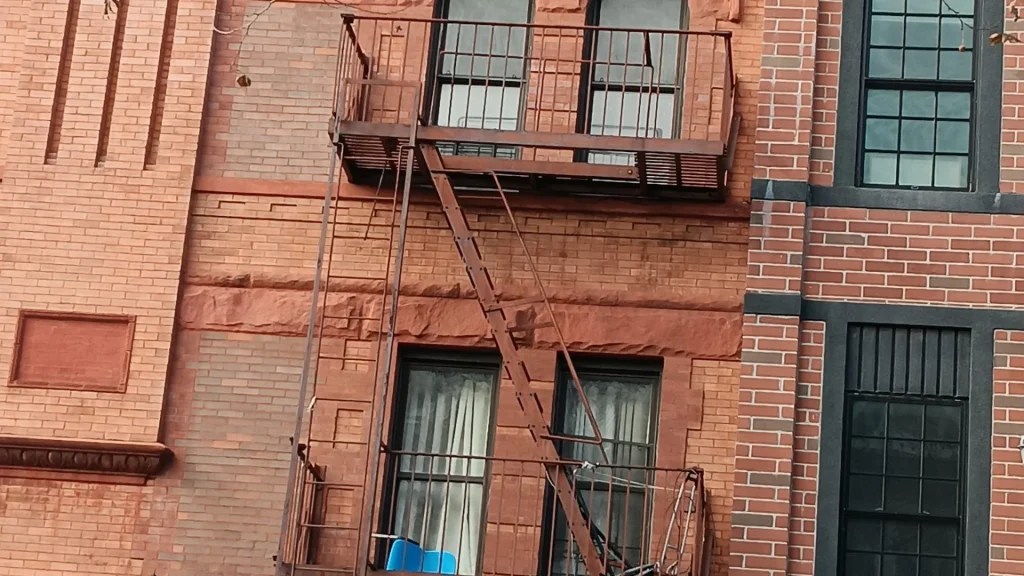
Inspections often reveal recurring problems that develop over time due to weather exposure and lack of maintenance.
Some of the most common issues include:
Over time, corrosion can weaken metal components and reduce structural integrity.
Fasteners may loosen due to vibration, weather changes, or age.
Broken railings can create safety hazards during evacuation.
Protective coatings prevent rust, but when they deteriorate, the metal becomes exposed to moisture.
In severe cases, parts of the system may shift or detach from the building.
When inspectors discover these issues, building owners may be required to perform repairs or restoration.
If inspectors determine that a fire escape does not meet safety standards, the building owner may receive a violation notice from the New York City Fire Department or the New York City Department of Buildings.
Violation notices typically include:
Failing to resolve violations within the required timeframe can lead to penalties or additional enforcement measures.
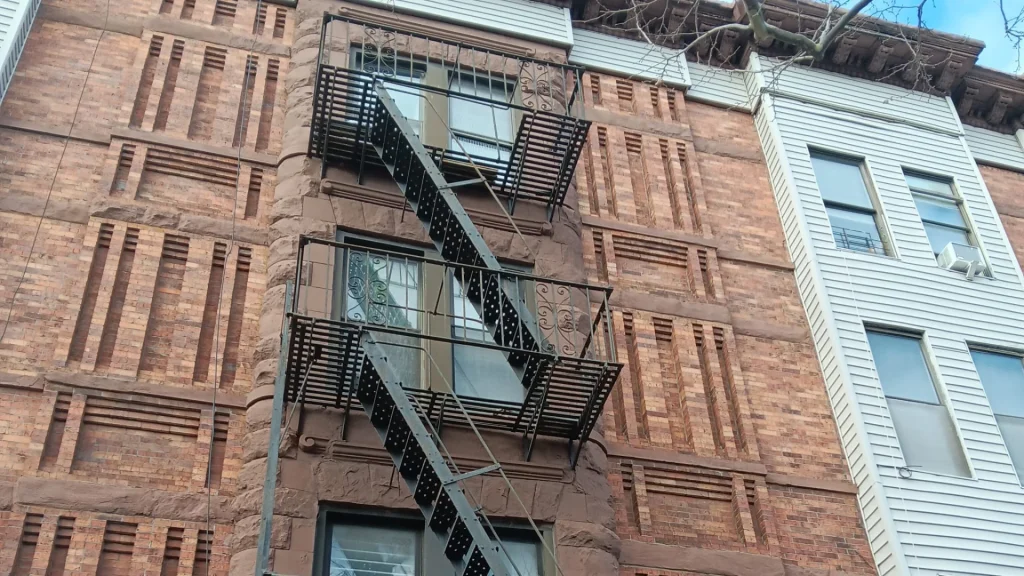
Preventive maintenance is the most effective way to avoid violations and ensure fire escapes remain safe.
Building owners should:
Routine maintenance helps extend the lifespan of the structure while ensuring compliance with safety regulations.
Maintaining these systems requires specialized knowledge of structural metalwork, safety standards, and local regulations. Professional contractors understand the specific challenges associated with exterior emergency exit systems in urban environments.
They can identify potential hazards early, recommend appropriate repairs, and ensure work is completed according to city requirements.
For property owners in New York City, investing in professional inspection and maintenance services helps protect building occupants while reducing the risk of costly violations.
These systems are an essential part of building safety infrastructure in New York City. Regular inspections ensure these systems remain structurally sound, accessible, and ready to function during emergencies.
Understanding how inspections work and staying proactive with maintenance allows building owners to meet city codes, protect residents, and avoid enforcement issues.
By working with experienced professionals and addressing issues early, property owners can ensure their buildings remain safe, compliant, and prepared for any emergency.
Building owners in New York City should regularly inspect exterior emergency exit systems to ensure they remain safe and structurally sound. Professional inspections are typically recommended every few years, especially for older buildings, to identify rust, loose components, or structural deterioration before they become serious hazards.
Property owners and landlords are responsible for maintaining systems and ensuring they meet safety standards. Inspections may be performed by licensed contractors, engineers, or inspectors from agencies such as the New York City Department of Buildings or the New York City Fire Department.
Inspectors examine structural components such as stairs, platforms, railings, bolts, and wall anchors. They also check for rust, corrosion, loose connections, blocked access points, and whether drop ladders operate correctly during emergencies.
If inspectors identify safety issues, the building owner may receive a violation notice requiring repairs within a specified timeframe. These violations are often issued by the New York City Fire Department or the New York City Department of Buildings.
Yes. Severe rust or corrosion can weaken structural components and create safety hazards. Inspectors may issue violations if rust significantly affects the stability or usability of the structure.
How do we help NYC Landlords Stay Compliant? Owning or managing property in New York City comes with significant responsibility....

When Is It Time to Repaint Your Fire Escape? Exterior emergency exit structures play a crucial role in building safety,...
How Fire Escape Inspection Works: NYC Codes & Standards In a city as dense and vertical as New York City,...